Fungal infections, especially ringworm, are among the most common skin problems in cats. Although the word “ringworm” sounds harmless, it’s actually a fungal infection that can spread easily — even to humans. Knowing the causes, symptoms, and proper treatment can help you keep your cat safe and healthy.
Main Causes of Cat Ringworm
- Transmission from Other Animals or Environment
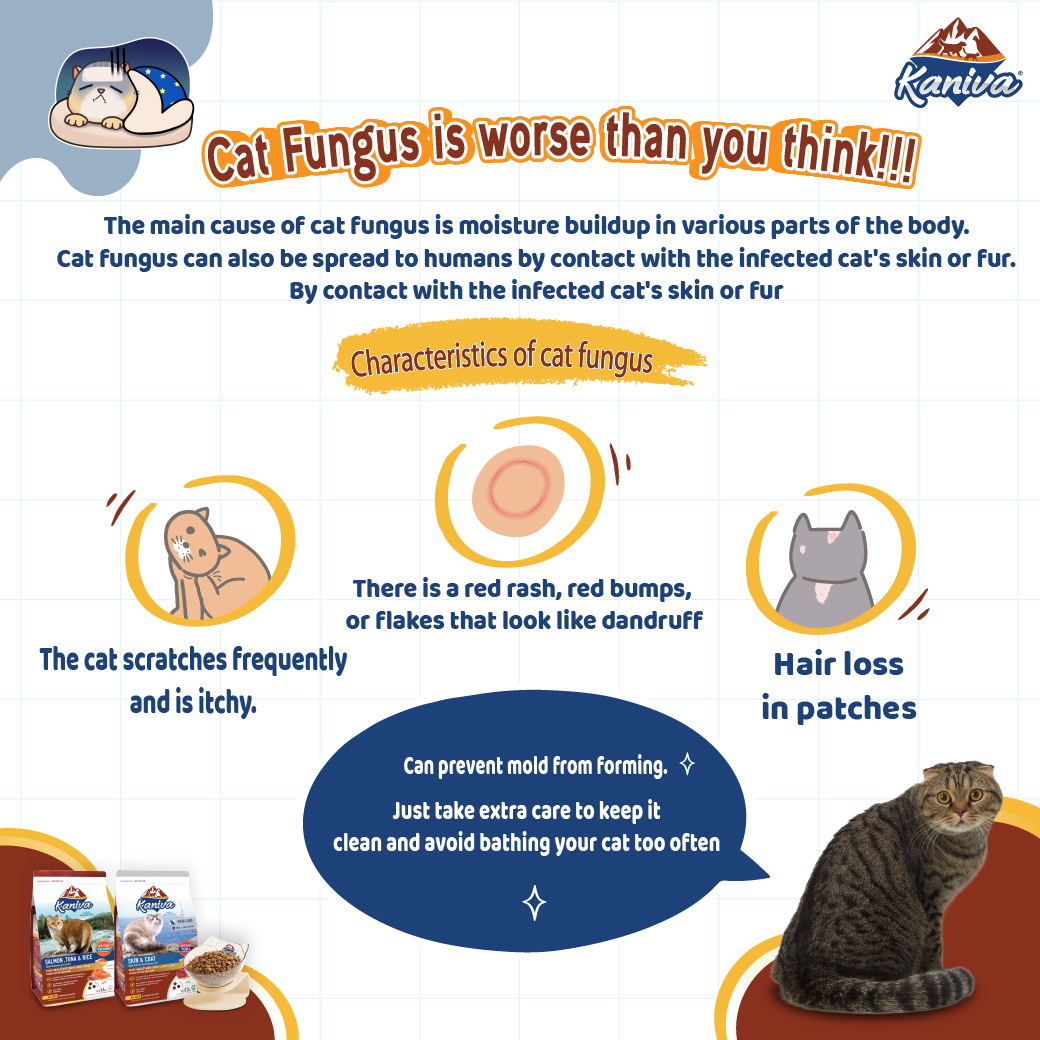
Ringworm can spread from infected cats, dogs, or contaminated environments — especially those that are dirty or humid. Fungal spores can stay active for months on bedding, grooming tools, or furniture. - Weak Immune System
Cats with weak immunity — whether from illness, medication, or stress — are more prone to fungal infections. A strong immune system helps fight off fungi before they multiply. - Direct Contact with Contaminated Objects
Cats that go outdoors or touch infected surfaces, such as unclean clothes or human skin, can pick up fungal spores that later cause skin irritation and ringworm. - Unclean or Humid Indoor Conditions
Even indoor cats can get fungus if the environment is not clean or lacks ventilation. Moist areas like bathrooms or kitchens, dirty litter boxes, or damp bedding can increase infection risk. - Stress and Psychological Factors
Stress weakens immunity. Changes such as moving homes, introducing a new pet, or loud noise can stress your cat, making it more vulnerable to fungal infections.
Symptoms of Cat Fungus (Ringworm)
You can usually recognize cat ringworm through visible changes on the skin:
- Patchy hair loss — Common on ears, face, and front legs.
- Red, scaly, or flaky patches — Circular or oval-shaped areas with raised edges.
- Excessive scratching or licking — Leads to inflamed, painful skin.
- Dry or peeling skin — May cause dandruff-like flakes.
If you notice any of these symptoms, visit a veterinarian promptly for an accurate diagnosis and treatment.
Common Types of Fungi Found in Cats
- Microsporum canis — The most common fungus responsible for feline ringworm and zoonotic (can infect humans). Causes circular hair loss and red scaly lesions.
- Trichophyton mentagrophytes — Causes similar symptoms and can spread through scratching and skin contact.
- Malassezia pachydermatis — A yeast fungus that normally lives on healthy skin but multiplies under damp or dirty conditions, leading to inflammation and odor.
Prevention and Care Tips
- Keep your cat’s bedding, litter box, and grooming tools clean.
- Ensure your home has good air circulation and low humidity.
- Strengthen your cat’s immune system with balanced, high-protein food like Kaniva Cat Food, enriched with essential nutrients for healthy skin and coat.
- Avoid letting your cat interact with stray or infected animals.
- Visit your vet regularly for skin and coat checkups.
Conclusion
Cat fungus may start small but can become a serious health concern if ignored. Regular cleaning, proper nutrition, and early treatment are key to prevention. If your cat shows signs of skin irritation or hair loss, consult your veterinarian immediately for a full diagnosis and care plan.
A healthy cat starts with a clean environment, balanced diet, and loving care.