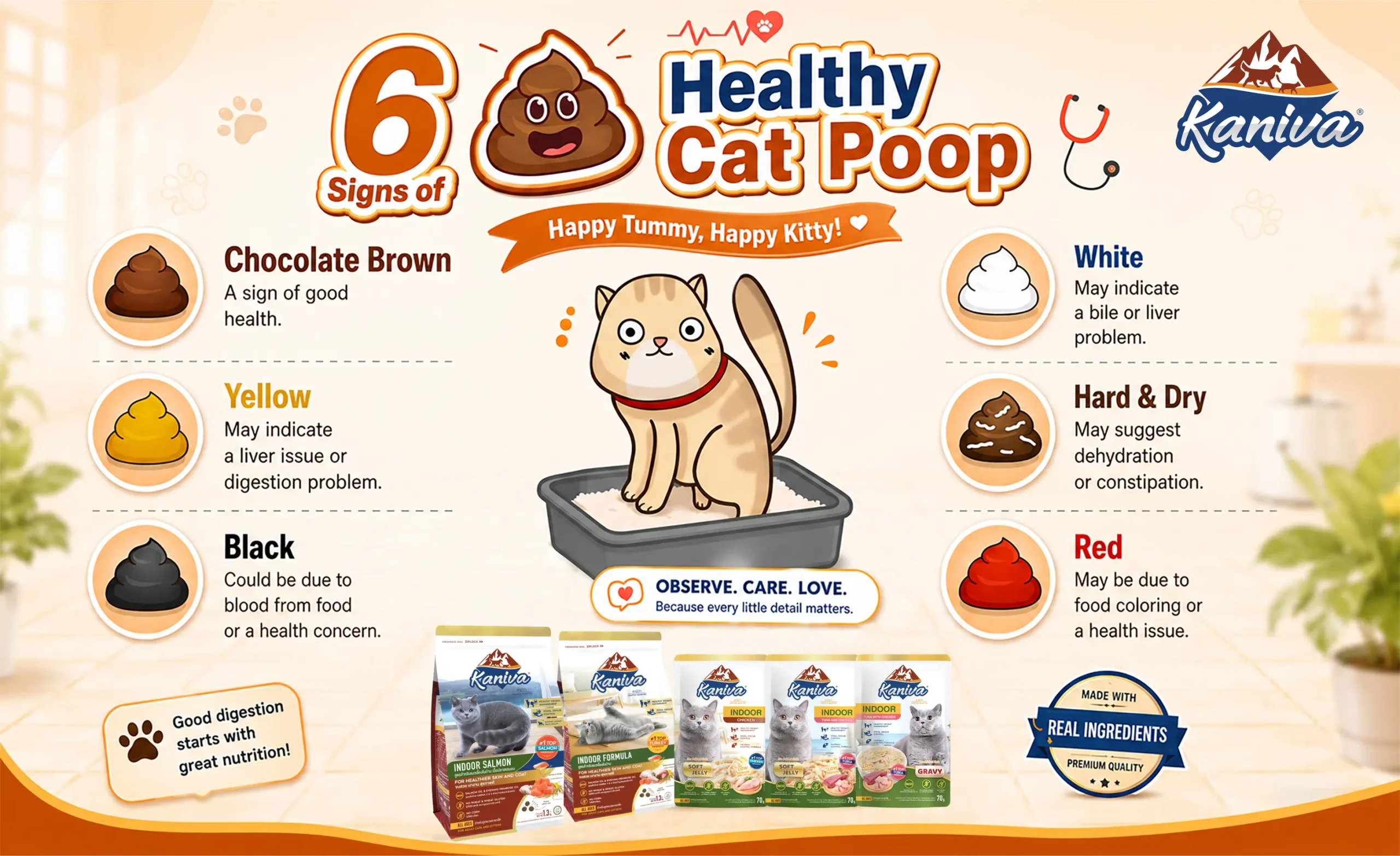

The rainy season brings a welcome break from heat, but it also comes with unique health risks for our pets. Cats and dogs are more susceptible to infections, parasites, allergies, and digestive issues during wet and humid conditions. With proper preventive care, you can keep your pets healthy, comfortable, and happy throughout the season.
1. Keep Your Pets Dry and Comfortable
Wet fur isn’t just inconvenient—it can lead to skin infections and fungal growth. After outdoor walks or play:
Gently towel-dry your pet, focusing on paws, underbelly, and skin folds.
For long-haired breeds, consider using a pet-safe drying spray or a hairdryer on a low setting.
Inspect ears, paws, and skin regularly for redness, odor, or irritation.
Vet Insight: Pets with thick coats or floppy ears are particularly prone to bacterial and yeast infections when damp for long periods.
2. Grooming is More Important Than Ever
Regular grooming reduces moisture-related problems and keeps pets comfortable:
Brush daily to prevent matting and trapped moisture.
Trim hair around paws, underbelly, and rear areas.
Keep nails short to prevent slipping on wet surfaces.
Pro Tip: Frequent grooming also allows you to spot skin issues early, preventing them from becoming serious infections.
3. Maintain a Healthy Diet and Hydration
Seasonal changes can affect appetite and digestion. Ensure your pet stays nourished:
Provide high-quality, easily digestible meals appropriate for your pet’s age and breed.
Always offer fresh, clean water—pets can get dehydrated even in rainy weather.
Avoid leaving wet food out for long; humidity accelerates spoilage.
Vet Note: Contaminated water or sudden diet changes can trigger diarrhea or vomiting. Consistency is key.
4. Protect Against Parasites and Infections
Rainy weather increases exposure to fleas, ticks, and other parasites:
Use vet-recommended flea and tick preventives consistently.
Keep your pet’s bedding dry and wash it regularly.
Avoid standing water during walks to reduce mosquito-borne disease risk.
Expert Insight: Mosquitoes and other insects thrive in damp conditions, which can transmit diseases to both cats and dogs.
5. Safe Exercise Practices
Exercise is essential, but rainy conditions require caution:
Avoid outdoor walks in heavy rain or thunderstorms.
Watch for slippery or flooded areas to prevent injuries.
Use indoor playtime with toys or short training sessions to keep pets active.
Vet Tip: Regular movement supports digestion, circulation, and mental well-being—even if it’s indoors.
6. Early Detection of Health Issues
Prompt recognition of symptoms can prevent serious illness:
Persistent coughing, sneezing, or nasal discharge
Skin redness, rashes, or unusual odor
Lethargy, vomiting, diarrhea, or loss of appetite
Action Plan: If you notice any of these signs, consult a veterinarian immediately. Early care can make a huge difference.
7. Vaccinations and Preventive Care
Ensure your pets are protected during the rainy season:
Keep vaccinations up to date to prevent respiratory and parasitic infections.
Schedule regular deworming; rainy conditions increase parasite exposure.
Ask your veterinarian for season-specific preventive care recommendations.
Pro Advice: Preventive care is always better than reactive treatment. Regular check-ups can catch issues before they escalate.
Final Thoughts
The rainy season can be enjoyable for pets and their owners, but it requires proactive care. Keeping your cats and dogs dry, well-groomed, properly fed, parasite-free, and closely monitored ensures they stay healthy and happy. With these vet-approved strategies, pet parents can enjoy the season worry-free alongside their furry companions.